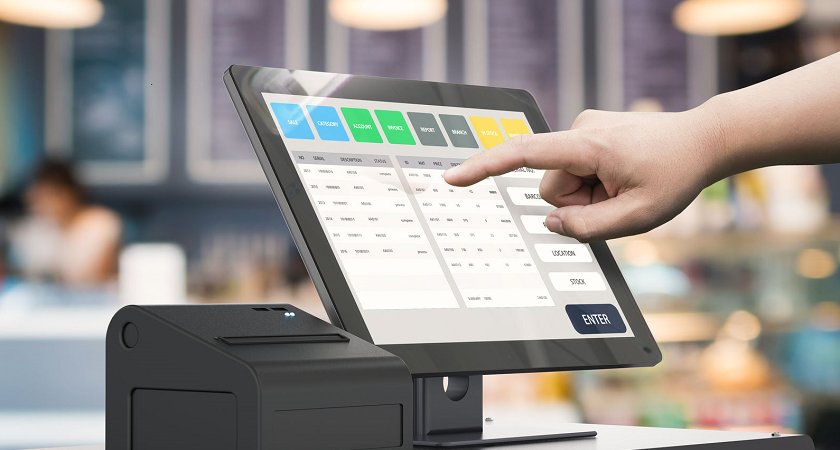
Cashier systems have become an essential part of modern business operations, especially in retail, hospitality, and service industries. These systems, often powered by Point of Sale (POS) technology, handle sensitive financial transactions, customer data, and inventory records. As businesses increasingly rely on digital cashier systems, security has become a major concern. Any weakness in these systems can lead to financial loss, data breaches, and reputational damage.
This article explores the most common security issues in cashier systems and discusses practical solutions that businesses can implement to protect their operations.
Understanding Security Risks in Cashier Systems
Cashier systems are designed to process transactions quickly and efficiently, but their connectivity and data storage capabilities also make them vulnerable to various security threats. These risks can come from internal sources, such as employee misuse, or external sources, such as cyberattacks.
As more cashier systems are connected to the internet and cloud platforms, the risk of unauthorized access and data theft has increased significantly. Understanding these risks is the first step toward building a secure transaction environment.
Weak Passwords and Unauthorized Access
One of the most common security issues in cashier systems is weak password protection. Many businesses fail to enforce strong password policies, allowing employees to use simple or repeated passwords. This makes it easier for unauthorized users to gain access to the system.
Unauthorized access can lead to data manipulation, fraudulent transactions, and even complete system control by malicious actors.
Solution
To address this issue, businesses should enforce strong password policies that require complex combinations of letters, numbers, and symbols. Regular password updates should also be mandatory. Additionally, implementing multi-factor authentication (MFA) adds an extra layer of security by requiring verification through a second device or method.
Insider Threats and Employee Misuse
Not all security threats come from outside the organization. In fact, insider threats are often more damaging because employees already have access to the system. Cashiers or staff members may intentionally or accidentally manipulate transactions, delete records, or commit fraud.
These actions can go unnoticed if there is no proper monitoring system in place.
Solution
Businesses should implement role-based access control (RBAC), ensuring that employees only have access to the features they need for their job. For example, cashiers should not have access to financial reports or system settings.
In addition, transaction logs should be monitored regularly. POS systems that track user activity can help identify suspicious behavior early.
Data Breaches and Customer Information Theft
Modern cashier systems store large amounts of sensitive data, including customer names, payment details, and purchase history. If this data is not properly protected, it can be targeted by hackers.
Data breaches can result in serious consequences, including financial loss, legal issues, and loss of customer trust.
Solution
Encryption is one of the most effective ways to protect sensitive data. All customer information and transaction data should be encrypted both during transmission and storage.
Businesses should also use secure cloud services with strong security protocols and ensure regular data backups. Conducting periodic security audits helps identify vulnerabilities before they are exploited.
Malware and Cyberattacks
Cashier systems connected to the internet are vulnerable to malware, ransomware, and other types of cyberattacks. Hackers may install malicious software to steal data or lock systems until a ransom is paid.
Such attacks can disrupt business operations and cause significant financial damage.
Solution
Installing reliable antivirus and anti-malware software is essential. Systems should be updated regularly to patch security vulnerabilities. Businesses should also avoid installing unauthorized software on cashier devices.
Firewalls and network monitoring tools can help detect and block suspicious activity before it causes harm.
Unsecured Network Connections
Many cashier systems rely on internet connectivity for cloud storage and real-time data synchronization. However, unsecured networks, especially public or poorly configured Wi-Fi, can be exploited by attackers to intercept data.
This type of attack, known as “man-in-the-middle,” can expose sensitive transaction information.
Solution
Businesses should always use secure, encrypted network connections. Wi-Fi networks should be protected with strong passwords and WPA3 encryption when possible.
For added security, virtual private networks (VPNs) can be used to encrypt data transmission between cashier systems and cloud servers.
Lack of Software Updates
Outdated cashier software is another major security risk. Software developers regularly release updates to fix bugs and patch security vulnerabilities. However, many businesses delay or ignore these updates, leaving systems exposed to known threats.
Solution
Regular software updates should be a mandatory practice. Businesses should enable automatic updates whenever possible to ensure systems remain protected.
In addition, using supported and reputable POS software reduces the risk of using outdated or insecure systems.
Physical Security Risks
Security issues in cashier systems are not limited to digital threats. Physical access to devices can also pose a risk. Unauthorized individuals may tamper with hardware, install malicious devices, or steal sensitive information directly from terminals.
Solution
Cashier terminals should be placed in secure areas with restricted access. Surveillance cameras and access control systems can help monitor physical activity.
Devices should also be locked or logged out when not in use to prevent unauthorized access.
Lack of Employee Training
Many security breaches occur due to human error. Employees who are not properly trained may unknowingly expose systems to risk by clicking on phishing emails, using weak passwords, or ignoring security protocols.
Solution
Regular employee training is essential for maintaining system security. Staff should be educated on cybersecurity best practices, including how to recognize phishing attempts and handle sensitive data safely.
Training programs should be updated regularly to address new threats.
Conclusion
Security issues in cashier systems pose a serious threat to modern businesses. From weak passwords and insider threats to malware attacks and data breaches, these risks can significantly impact financial stability and customer trust.
However, most of these issues can be effectively managed through proper security measures. Strong authentication methods, encryption, regular updates, employee training, and secure network practices all play a crucial role in protecting cashier systems.
As businesses continue to adopt digital cashier technologies, prioritizing security is no longer optional—it is a necessity. A well-protected cashier system not only safeguards business operations but also ensures long-term trust and success in an increasingly digital world.