Cashier systems have undergone a remarkable transformation over the past few decades. From simple mechanical cash registers to advanced cloud-based Point of Sale (POS) platforms, the way businesses handle transactions has evolved significantly. This evolution has been driven by rapid technological advancements, changing consumer expectations, and the growing need for efficiency and accuracy in business operations.
In the digital era, cashier systems are no longer just tools for processing payments. They have become integrated business management solutions that support inventory control, sales analytics, customer relationship management, and even fraud prevention. Understanding this evolution helps us appreciate how far retail technology has come and where it is heading in the future.
The Early Days of Mechanical Cash Registers
The first cashier systems were mechanical cash registers introduced in the late 19th century. These devices were designed primarily to record sales and prevent employee theft. Each transaction was manually entered, and the machine would print a receipt while storing the sale in a mechanical counter.
Although these systems were revolutionary at the time, they were limited in functionality. They could not store detailed data, generate reports, or integrate with other business processes. Their main purpose was simple—recording transactions and securing cash flow.
Despite their limitations, mechanical cash registers laid the foundation for modern cashier systems by introducing the concept of structured transaction recording.
The Introduction of Electronic Cash Registers
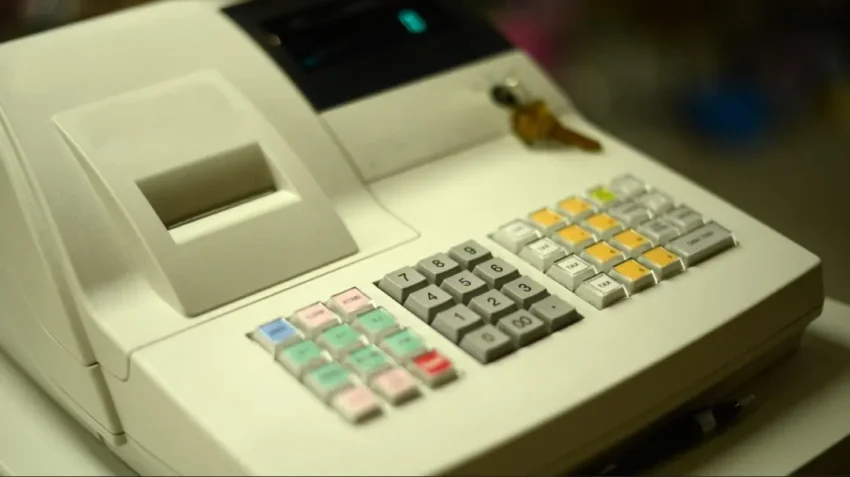
The next major step in the evolution of cashier systems came with the introduction of electronic cash registers (ECRs) in the mid-20th century. These systems replaced mechanical components with electronic circuits, allowing for faster and more reliable transaction processing.
Electronic cash registers introduced basic digital features such as programmable pricing, receipt printing, and limited data storage. Businesses could now store product information electronically, reducing the need for manual price entry.
However, these systems were still standalone devices with limited connectivity. They did not integrate with inventory systems or provide advanced reporting features.
The Rise of Computer-Based POS Systems
The real transformation began with the introduction of computer-based Point of Sale (POS) systems in the late 20th century. These systems combined hardware and software to create a more advanced and flexible cashier solution.
POS systems allowed businesses to manage sales, inventory, and customer data from a single platform. Unlike earlier systems, they could store large amounts of data and generate detailed reports on business performance.
This innovation marked a significant shift in cashier system functionality. Businesses could now track sales trends, monitor stock levels, and improve decision-making based on real-time data.
Integration with Inventory and Business Management
As POS systems evolved, they began integrating with other business management tools such as inventory systems, accounting software, and customer relationship management (CRM) platforms.
This integration allowed for real-time synchronization of data across different departments. For example, every sale recorded at the cashier automatically updated inventory levels and financial records.
This level of automation significantly reduced manual workload and improved accuracy in business operations. It also enabled businesses to operate more efficiently and make data-driven decisions.
The Emergence of Cloud-Based Cashier Systems
One of the most significant developments in recent years is the shift toward cloud-based cashier systems. Unlike traditional POS systems that store data locally, cloud-based systems store information on remote servers accessible via the internet.
This innovation allows business owners to monitor sales and operations in real time from anywhere in the world. It also enables automatic data backups, reducing the risk of data loss.
Cloud-based systems are particularly beneficial for businesses with multiple locations, as they allow centralized control over pricing, inventory, and reporting.
Mobile POS and Flexibility in Transactions
The rise of smartphones and tablets has led to the development of mobile POS (mPOS) systems. These systems allow cashiers to process transactions using portable devices rather than fixed checkout counters.
Mobile POS systems are widely used in restaurants, retail stores, and events where mobility is important. They offer flexibility, faster service, and improved customer interaction.
This shift toward mobility reflects the growing demand for convenience and adaptability in modern business environments.
The Role of Automation and Artificial Intelligence
In the digital era, automation and artificial intelligence (AI) are playing an increasingly important role in cashier systems. Modern POS platforms can now automate tasks such as pricing updates, discount application, and inventory forecasting.
AI-powered systems can analyze customer behavior, predict sales trends, and suggest optimal pricing strategies. This helps businesses make smarter decisions and improve profitability.
Automation also reduces human error, making transactions faster and more accurate.
Enhanced Security and Fraud Prevention
As cashier systems have become more advanced, so have the security measures protecting them. Modern systems use encryption, multi-factor authentication, and real-time monitoring to protect sensitive data.
These security features help prevent fraud, data breaches, and unauthorized access. Employee activity tracking also ensures accountability and transparency in transactions.
Security has become a critical aspect of cashier system development in the digital era, especially as cyber threats continue to evolve.
Improving Customer Experience Through Technology
One of the most important outcomes of cashier system evolution is the improvement in customer experience. Faster checkout times, multiple payment options, and accurate billing all contribute to a smoother shopping experience.
Modern systems also support digital receipts, loyalty programs, and personalized offers, enhancing customer engagement.
By streamlining transactions, businesses can reduce waiting times and improve overall satisfaction, which is essential for customer retention.
The Future of Cashier Systems
The evolution of cashier systems is far from over. Future developments are expected to include deeper integration with artificial intelligence, biometric authentication, and fully automated checkout systems.
Self-checkout kiosks and cashier-less stores are already being tested in various parts of the world. These innovations aim to eliminate traditional checkout processes entirely, creating a frictionless shopping experience.
As technology continues to advance, cashier systems will become even more intelligent, efficient, and customer-focused.
Conclusion
The evolution of cashier systems in the digital era reflects the broader transformation of the retail industry. From mechanical cash registers to cloud-based AI-powered platforms, each stage of development has brought greater efficiency, accuracy, and convenience.
Today’s cashier systems are no longer just tools for processing payments—they are comprehensive business management solutions that support growth and innovation. As technology continues to evolve, businesses that adapt to these changes will be better positioned to succeed in an increasingly competitive market.
The future of cashier systems promises even greater automation, intelligence, and connectivity, reshaping the way transactions are conducted around the world.