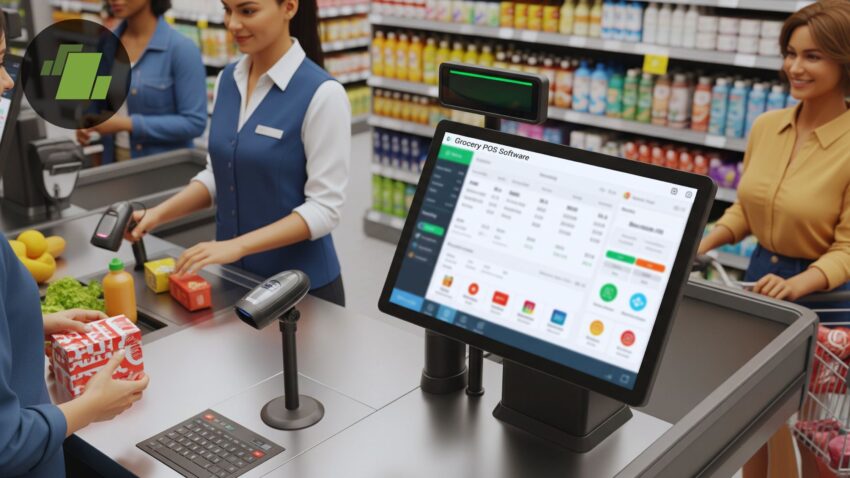
Point of Sale (POS) based cashier applications have become an essential part of modern business operations, especially in retail, restaurants, and service industries. These systems are designed to simplify transaction processes, improve accuracy, and enhance overall operational efficiency. However, as more businesses adopt this technology, it becomes increasingly important to evaluate how effective POS-based cashier applications truly are in real-world usage.
Effectiveness in this context refers not only to speed and convenience but also to accuracy, reliability, scalability, and overall contribution to business performance. This article evaluates POS-based cashier applications from multiple perspectives to understand their strengths and limitations.
Understanding POS-Based Cashier Applications
POS-based cashier applications are digital systems used to process sales transactions and manage related business operations. Unlike traditional cash registers, these applications combine hardware and software to create a fully integrated solution.
They typically include features such as barcode scanning, automated pricing, inventory tracking, digital payment processing, and reporting tools. Many modern systems are also cloud-based, allowing real-time data synchronization across multiple devices and locations.
By centralizing these functions, POS applications aim to streamline cashier operations and reduce manual workload.
Transaction Speed and Efficiency
One of the primary indicators of effectiveness is transaction speed. POS-based cashier applications significantly improve checkout efficiency by automating key processes. Instead of manually entering product prices, cashiers simply scan items, and the system instantly retrieves the correct information.
This automation reduces waiting times for customers and allows businesses to handle a higher volume of transactions, especially during peak hours. In busy retail environments, even a few seconds saved per transaction can have a noticeable impact on overall productivity.
However, the effectiveness of speed also depends on system performance. Poorly optimized software or slow hardware can reduce efficiency, highlighting the importance of choosing reliable POS solutions.
Accuracy in Financial Transactions
Accuracy is another critical factor in evaluating POS systems. Manual cashier systems are prone to human error, such as incorrect pricing, wrong change calculation, or missed discounts. POS applications reduce these risks by automating calculations and standardizing pricing data.
When properly implemented, these systems ensure that every transaction is recorded accurately and consistently. Prices, taxes, and discounts are applied automatically based on predefined rules, reducing the likelihood of discrepancies.
This improved accuracy not only enhances financial reporting but also builds customer trust by ensuring transparent and correct billing.
Integration with Inventory Management
An effective POS-based cashier application should integrate seamlessly with inventory management systems. This integration ensures that every sale automatically updates stock levels in real time.
Such synchronization helps businesses maintain accurate inventory records and avoid common issues such as overselling or stock shortages. It also allows business owners to monitor product performance and make informed purchasing decisions.
The effectiveness of this feature depends on how well the system handles real-time data processing and synchronization across multiple channels.
User Experience and Ease of Use
The usability of a POS system plays a major role in its effectiveness. A well-designed interface allows cashiers to quickly learn and operate the system with minimal training.
Intuitive navigation, clear instructions, and responsive design contribute to smoother operations. In contrast, overly complex systems can slow down workflow and increase the likelihood of user errors.
Effective POS applications strike a balance between advanced functionality and ease of use, ensuring that employees can perform tasks efficiently without unnecessary complications.
Reliability and System Stability
System reliability is a crucial aspect of POS effectiveness. Frequent crashes, slow response times, or software glitches can disrupt business operations and negatively impact customer experience.
Reliable POS systems are designed to operate continuously without interruption, even during high transaction volumes. Cloud-based systems often offer additional stability through automatic backups and remote data storage.
However, businesses must also consider potential risks such as internet dependency. If connectivity is lost, some systems may experience reduced functionality unless offline modes are available.
Security and Data Protection
Security is a key factor when evaluating POS applications. These systems handle sensitive information, including customer payment details and business financial data.
Effective POS systems use encryption, secure login protocols, and user access controls to protect data from unauthorized access. Multi-factor authentication and role-based permissions further enhance security by limiting system access based on employee roles.
A secure POS system not only protects business data but also ensures compliance with data protection standards and builds customer confidence.
Reporting and Business Analytics
Another important measure of effectiveness is the system’s ability to generate useful business insights. POS applications collect large amounts of data, including sales trends, customer behavior, and inventory movement.
Advanced reporting tools allow business owners to analyze this data and make informed decisions. For example, identifying best-selling products or peak sales hours can help optimize inventory and staffing strategies.
The more detailed and accurate the reporting features, the more valuable the POS system becomes for long-term business planning.
Scalability for Business Growth
An effective POS system should be scalable to support business growth. As businesses expand, they may require additional features, multiple store management, or higher transaction capacity.
Cloud-based POS applications are particularly effective in this regard, as they allow centralized control across multiple locations. This ensures consistency in pricing, inventory, and reporting.
Scalability ensures that the system remains useful as business needs evolve over time.
Cost vs Value Effectiveness
While POS systems offer many advantages, their effectiveness must also be evaluated in terms of cost. This includes initial setup costs, subscription fees, hardware expenses, and maintenance costs.
For small businesses, affordability is a key consideration. However, the long-term benefits—such as reduced errors, improved efficiency, and better inventory control—often outweigh the initial investment.
An effective POS system provides a strong return on investment by improving productivity and reducing operational losses.
Conclusion
POS-based cashier applications have proven to be highly effective tools for modern businesses. They improve transaction speed, enhance accuracy, integrate inventory management, and provide valuable business insights.
However, their effectiveness depends on several factors, including system reliability, usability, security, and scalability. Businesses must carefully evaluate these aspects before choosing a POS solution.
When implemented correctly, POS-based cashier applications not only streamline cashier operations but also contribute significantly to overall business growth and efficiency.