Cashier operations are one of the most critical components in retail and service-based businesses. Every transaction that passes through a cashier affects revenue accuracy, customer satisfaction, and overall business performance. However, despite its importance, cashiering is also one of the most error-prone activities in daily business operations. These errors can range from simple miscalculations to more serious issues such as incorrect pricing, inventory mismatches, and cash handling mistakes.
With the rise of automation technologies such as Point of Sale (POS) systems and cashier applications, businesses now have effective tools to reduce these errors significantly. This article provides an analysis of common cashier errors and explains how automation helps minimize them.
Understanding Cashier Errors in Daily Operations
Cashier errors refer to mistakes made during the process of handling sales transactions. These errors can occur due to human oversight, system limitations, or external pressures such as long queues and high customer traffic.
In small and medium-sized businesses, where cashiers often handle multiple responsibilities at once, the risk of errors increases. Even experienced employees are not immune to mistakes, especially during peak hours when speed becomes a priority over accuracy.
Understanding the types of errors that commonly occur is the first step toward improving cashier performance and reducing financial losses.
Common Types of Cashier Errors
One of the most frequent cashier errors is incorrect price entry. This happens when a cashier manually inputs the wrong price for a product. Even a small mistake can lead to financial discrepancies or customer complaints.
Another common issue is incorrect change calculation. In cash-based transactions, cashiers must quickly calculate the correct change to return to customers. Under pressure, they may give too much or too little change, which can affect both profitability and customer trust.
Misapplied discounts are also a frequent problem. Cashiers may forget to apply a promotion or apply the wrong discount percentage, leading to inaccurate billing.
Additionally, inventory-related errors often occur when sales are not properly recorded. This can result in stock mismatches, where the system shows incorrect product availability.
Finally, transaction duplication or omission can happen when sales are accidentally recorded twice or not recorded at all. These errors can significantly affect financial reporting accuracy.
Causes of Cashier Errors
Several factors contribute to cashier errors in business environments. One of the main causes is manual data entry. When cashiers are required to input information manually, the likelihood of mistakes increases significantly.
Another major factor is workload pressure. During busy hours, cashiers are often required to process transactions quickly, which can lead to rushed decisions and reduced attention to detail.
Lack of training also plays a significant role. Employees who are not properly trained may struggle to operate systems efficiently, leading to operational mistakes.
In addition, outdated systems and poor integration between sales and inventory systems can increase the likelihood of inconsistencies and errors.
The Impact of Cashier Errors on Businesses
Cashier errors can have a serious impact on business operations. Financial losses are one of the most direct consequences, especially when pricing or cash handling mistakes occur frequently.
Customer dissatisfaction is another major impact. Errors in billing or payment processing can reduce trust and negatively affect customer experience. In competitive markets, even small mistakes can lead customers to choose competitors.
Operational inefficiencies also arise when businesses must spend additional time correcting errors or reconciling financial records. This reduces productivity and increases administrative workload.
Over time, repeated errors can damage a company’s reputation and affect long-term profitability.
How Automation Reduces Cashier Errors
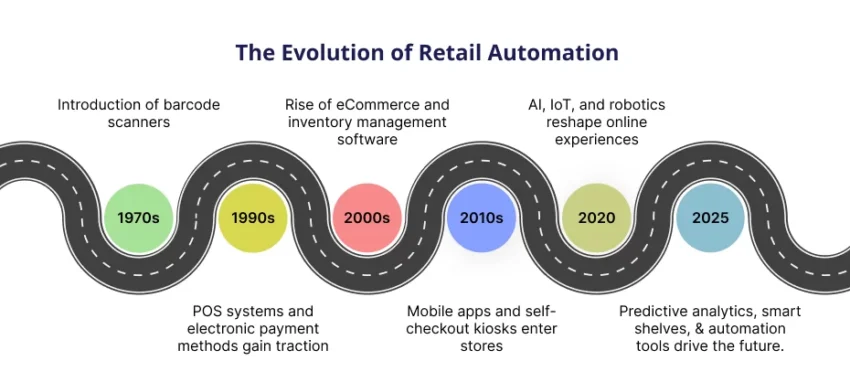
Automation plays a crucial role in minimizing cashier errors by reducing manual intervention in transaction processes. One of the most effective tools is the Point of Sale (POS) system, which automates pricing, calculations, and data recording.
With automated systems, product prices are retrieved directly from a centralized database. This eliminates the risk of manual price entry errors and ensures consistency across all transactions.
Discounts and promotions are also automatically applied based on predefined rules. This reduces the likelihood of human error when managing complex pricing structures.
In addition, automation ensures that every transaction is recorded in real time. This helps maintain accurate sales and inventory data without requiring manual input from cashiers.
Reducing Errors Through Barcode Scanning
Barcode scanning is one of the most effective automation tools in reducing cashier errors. Instead of manually entering product details, cashiers simply scan a barcode, and the system automatically retrieves all relevant information.
This process eliminates errors caused by incorrect product selection or manual data entry. It also speeds up the checkout process, allowing cashiers to serve customers more efficiently.
Barcode systems also improve inventory accuracy by ensuring that every scanned item is automatically deducted from stock levels.
Automated Cash and Payment Processing
Automation also improves accuracy in cash and digital payment processing. Modern systems automatically calculate totals and change amounts, reducing the risk of human miscalculation.
For digital payments, transactions are processed electronically and recorded instantly in the system. This eliminates the need for manual reconciliation and reduces discrepancies in financial records.
By automating payment processes, businesses can ensure more reliable and accurate financial reporting.
Enhancing Inventory Accuracy Through Automation
One of the biggest advantages of automation is real-time inventory tracking. Every sale automatically updates stock levels, ensuring that inventory data is always accurate.
This reduces issues such as overselling or stock mismatches, which are common in manual systems. It also helps businesses make better purchasing decisions based on accurate sales data.
Improving Training and System Usability
Automation also simplifies cashier training. Modern POS systems are designed with user-friendly interfaces that guide employees through each step of the transaction process.
This reduces the learning curve for new employees and minimizes the likelihood of operational mistakes. As a result, businesses can maintain consistent performance even with high employee turnover.
Conclusion
Cashier errors are a common challenge in retail and service-based businesses, often caused by manual processes, workload pressure, and lack of training. These errors can lead to financial losses, customer dissatisfaction, and operational inefficiencies.
However, automation offers a powerful solution to these challenges. Through technologies such as POS systems, barcode scanning, and automated payment processing, businesses can significantly reduce human error and improve transaction accuracy.
By adopting automation, businesses not only improve operational efficiency but also enhance customer experience and financial reliability. In today’s competitive environment, reducing cashier errors through automation is not just an advantage—it is a necessity for sustainable growth and success.