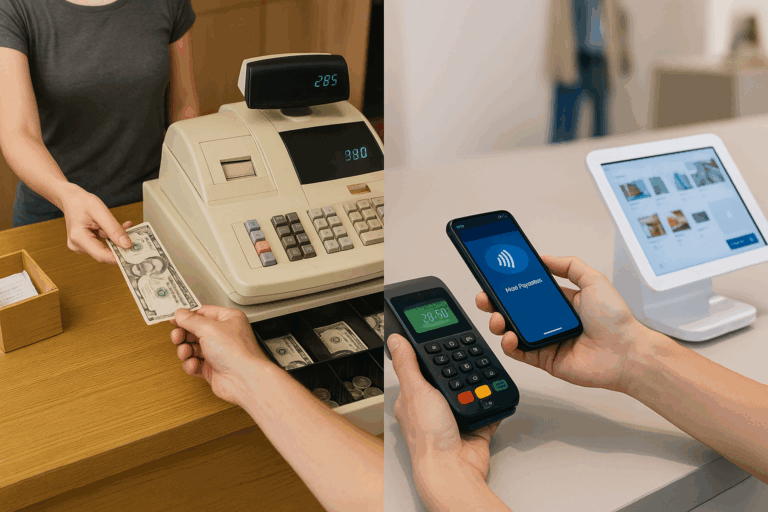
Modern retail environments rely heavily on cashier systems to ensure smooth transactions, accurate record-keeping, and efficient customer service. From traditional point-of-sale (POS) machines to advanced cloud-based checkout platforms, cashier systems have evolved significantly. However, despite technological advancements, many retailers still face challenges that directly affect operational efficiency and customer satisfaction. Understanding these challenges is essential for businesses aiming to improve performance and remain competitive in a rapidly changing retail landscape.
1. System Downtime and Technical Failures
One of the most common challenges in modern cashier systems is unexpected downtime. Whether due to software bugs, hardware malfunctions, or network failures, system interruptions can bring retail operations to a standstill. When a POS system crashes during peak hours, transactions cannot be processed efficiently, leading to long queues, frustrated customers, and lost sales opportunities.
For small retailers, even a short downtime can have a significant financial impact. Larger chains may have backup systems, but switching between systems is not always seamless. This issue highlights the importance of reliable infrastructure and regular maintenance schedules to minimize disruptions.
2. Cybersecurity Risks and Data Breaches
As cashier systems become more digitized and connected to cloud services, they also become more vulnerable to cyber threats. Retailers store sensitive customer data such as payment details, loyalty program information, and purchase histories. If these systems are not properly secured, they can become targets for hackers.
Data breaches not only lead to financial losses but also damage customer trust. A single security incident can significantly harm a brand’s reputation. Retailers must invest in encryption technologies, secure payment gateways, and regular security audits to mitigate these risks. However, maintaining high-level cybersecurity can be costly and requires ongoing attention.
3. Integration Challenges with Other Systems
Modern retail operations often depend on multiple digital tools, including inventory management systems, customer relationship management (CRM) platforms, and e-commerce systems. Ideally, cashier systems should integrate seamlessly with these tools to provide real-time data synchronization.
However, integration is often complex. Many retailers use legacy systems that are not compatible with newer technologies. As a result, data silos can form, leading to inconsistencies in inventory records, pricing errors, and inefficient decision-making. Poor integration reduces overall operational efficiency and increases administrative workload.
4. High Implementation and Maintenance Costs
Although modern POS systems offer advanced features such as analytics, mobile payments, and cloud synchronization, they often come with high initial setup costs. Hardware such as barcode scanners, touchscreen terminals, and receipt printers can be expensive, especially for small and medium-sized businesses.
In addition to setup costs, ongoing maintenance, software updates, and subscription fees add to the financial burden. Some retailers may struggle to justify these costs, especially if they do not fully utilize the system’s advanced features. This financial pressure can slow down digital transformation in the retail sector.
5. User Training and Adaptation Issues
Even the most advanced cashier system is ineffective if employees do not know how to use it properly. Training staff to operate new POS systems can be time-consuming and costly. In fast-paced retail environments with high employee turnover, continuous training becomes a challenge.
Mistakes caused by improper system use—such as incorrect pricing, failed transactions, or inventory mismatches—can negatively impact both efficiency and customer satisfaction. Therefore, intuitive system design and ongoing training programs are essential for minimizing human error.
6. Performance Issues During Peak Hours
Retail businesses often experience high customer traffic during holidays, sales events, or weekends. During these peak times, cashier systems must handle a large volume of transactions without lagging or freezing. Unfortunately, some systems struggle under heavy load, resulting in slow checkout processes.
Delays at the checkout counter can lead to long queues and customer dissatisfaction. In competitive retail environments, even minor delays can cause customers to switch to competitors. Scalability and performance optimization are therefore critical features in modern cashier systems.
7. Impact on Retail Efficiency
The challenges mentioned above directly influence retail efficiency in several ways. System downtime reduces transaction capacity, cybersecurity risks increase operational uncertainty, and poor integration leads to inefficient inventory management. High costs can limit system upgrades, while training issues and performance bottlenecks slow down customer service.
When these problems accumulate, they create operational friction that affects every aspect of retail performance—from sales processing to customer satisfaction. On the other hand, well-implemented cashier systems can significantly enhance efficiency by automating processes, reducing human error, and providing valuable business insights.
Conclusion
Modern cashier systems are essential tools in the retail industry, but they are not without challenges. Technical failures, cybersecurity threats, integration difficulties, high costs, training requirements, and performance limitations all contribute to operational inefficiencies if not properly managed.
Retailers who invest in reliable technology, employee training, and system integration strategies are more likely to overcome these challenges. As the retail landscape continues to evolve, optimizing cashier systems will remain a key factor in improving efficiency, profitability, and customer experience.