In the modern retail landscape, efficiency and accuracy are two of the most important factors that determine business success. One of the key areas that directly influences both is cashier management. Traditional cashier systems, which rely heavily on manual processes, often struggle to keep up with today’s fast-paced consumer demands. As a result, many businesses have turned to Point of Sale (POS) technology to improve cashier management, streamline operations, and enhance customer satisfaction.
POS technology has transformed how transactions are processed and how cashiers perform their daily tasks. By integrating software and hardware into a unified system, POS solutions help businesses manage sales, inventory, and reporting more effectively. This article explores how POS technology improves cashier management and why it has become essential for modern businesses.
Understanding POS Technology in Cashier Management
Point of Sale (POS) technology refers to a digital system used to complete sales transactions between businesses and customers. It typically includes hardware such as barcode scanners, receipt printers, and touchscreen terminals, along with software that processes payments and records data.
In cashier management, POS systems act as the central hub for all transaction activities. They replace traditional cash registers by automating key processes such as price calculation, discount application, and inventory updates. This integration allows cashiers to work more efficiently while reducing the likelihood of human error.
Streamlining Transaction Processes
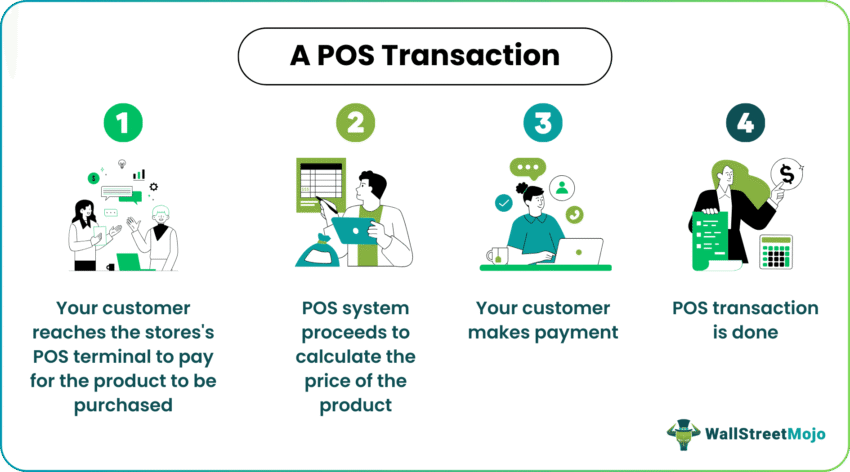
One of the most significant benefits of POS technology is its ability to streamline transaction processes. In traditional systems, cashiers must manually enter product prices, calculate totals, and handle cash transactions step by step. This process is time-consuming and prone to mistakes.
With POS systems, most of these tasks are automated. Products are scanned using barcodes, prices are retrieved instantly from the system, and totals are calculated automatically. This reduces checkout time and allows cashiers to serve more customers in less time.
Faster transactions not only improve operational efficiency but also enhance the overall customer experience by reducing waiting times at the checkout counter.
Reducing Human Error in Cashier Operations
Human error is one of the most common challenges in cashier management. Mistakes such as incorrect pricing, wrong discount application, or inaccurate cash handling can lead to financial discrepancies and customer dissatisfaction.
POS technology significantly reduces these risks by automating calculations and standardizing processes. Since prices and promotions are stored in the system, cashiers do not need to manually input or calculate them. This ensures consistency and accuracy in every transaction.
By minimizing errors, businesses can maintain better financial control and improve trust with customers.
Enhancing Inventory Control
Effective cashier management is closely linked to accurate inventory control. Every sale processed through a POS system automatically updates inventory records in real time. This ensures that stock levels are always accurate and up to date.
Without POS integration, businesses often face issues such as stock mismatches, overselling, or outdated inventory records. These problems can disrupt operations and lead to lost sales opportunities.
With POS technology, business owners can monitor inventory levels more efficiently, identify fast-moving products, and make better purchasing decisions. This level of control is essential for maintaining smooth business operations.
Improving Employee Performance and Accountability
POS systems also play an important role in improving employee performance and accountability. Each cashier typically has a unique login, allowing the system to track individual performance and transaction history.
This feature helps business owners monitor productivity, identify training needs, and reduce the risk of internal fraud. Employees are more likely to follow proper procedures when they know their actions are being recorded.
Additionally, POS systems simplify training for new employees. Since the system guides users through each transaction step, cashiers can quickly learn how to operate it with minimal supervision.
Supporting Multiple Payment Methods
Modern customers expect flexibility when it comes to payment options. POS systems support a wide range of payment methods, including cash, credit and debit cards, mobile wallets, and QR-based payments.
This flexibility makes it easier for cashiers to process transactions without confusion or delays. It also reduces the chances of payment errors, such as incorrect cash change or failed transactions.
By accommodating different payment preferences, businesses can improve customer satisfaction and attract a broader audience.
Enhancing Data Accuracy and Reporting
Accurate data is essential for effective business decision-making. POS systems automatically collect and store transaction data, which can be used to generate detailed reports on sales, customer behavior, and product performance.
This eliminates the need for manual record-keeping, which is often prone to errors. Business owners can access real-time dashboards to monitor performance and make informed decisions.
For example, identifying peak sales hours or best-selling products can help businesses optimize staffing and inventory strategies.
Strengthening Security and Fraud Prevention
Security is another important advantage of POS technology. Traditional cashier systems are more vulnerable to theft and manipulation because they rely heavily on manual processes.
POS systems enhance security by tracking every transaction and user activity. Each cashier’s actions are logged in the system, making it easier to detect irregularities or unauthorized activities.
In addition, modern POS systems use encryption and secure payment gateways to protect customer data, reducing the risk of fraud and data breaches.
Improving Customer Experience
Efficient cashier management directly impacts customer satisfaction. POS technology helps create a smoother and faster checkout experience by reducing waiting times and minimizing errors.
Customers benefit from accurate billing, faster service, and multiple payment options. These improvements contribute to a more positive shopping experience, which can increase customer loyalty and repeat business.
In competitive markets, delivering excellent customer service through efficient cashier management can be a key differentiator.
Conclusion
Point of Sale (POS) technology has significantly improved cashier management by automating processes, reducing errors, and enhancing overall efficiency. From faster transactions and better inventory control to improved security and customer satisfaction, the benefits of POS systems are substantial.
For modern businesses, adopting POS technology is no longer just an option but a necessity. It enables better operational control, improves employee performance, and supports data-driven decision-making.
As retail continues to evolve, businesses that invest in advanced POS solutions will be better positioned to remain competitive and meet the growing expectations of customers. Ultimately, POS technology is not just a tool for processing payments—it is a comprehensive system for improving cashier management and driving long-term business success.