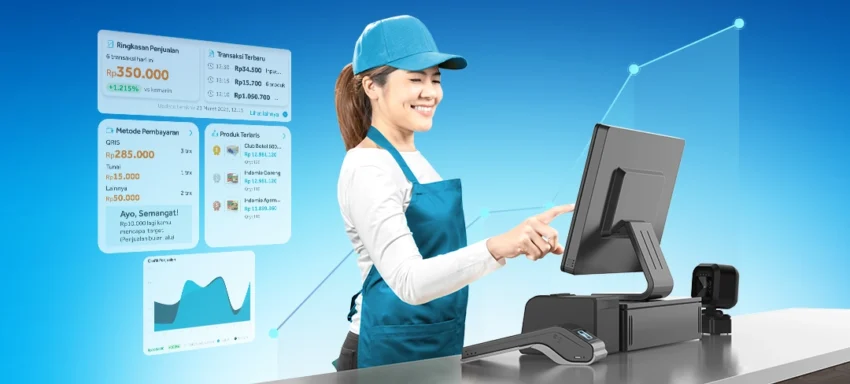
In today’s fast-paced retail environment, accuracy in financial transactions is more important than ever. Even small errors at the checkout counter can lead to financial losses, customer dissatisfaction, and operational inefficiencies. To address these challenges, many businesses have adopted cashier applications, also known as point-of-sale (POS) systems. These digital tools play a crucial role in improving transaction accuracy, streamlining operations, and enhancing overall business performance.
Understanding Cashier Applications
Cashier applications are software systems designed to manage sales transactions in retail and service environments. They replace traditional manual cash registers with digital interfaces that automatically calculate totals, apply discounts, track inventory, and generate receipts. Modern cashier applications are often cloud-based, allowing real-time data synchronization across multiple devices and store locations.
By automating key processes, these applications significantly reduce the risk of human error, which is one of the primary causes of inaccurate transactions in retail businesses.
Reducing Human Error in Transactions
One of the biggest advantages of cashier applications is their ability to minimize human error. In manual systems, cashiers must calculate totals, apply discounts, and input prices manually. These steps are prone to mistakes, especially during busy hours when employees are under pressure.
Cashier applications automate these calculations, ensuring that prices are always accurate and consistent. For example, when a product barcode is scanned, the system automatically retrieves the correct price from the database. This eliminates errors caused by incorrect price entry or miscalculation.
As a result, businesses can significantly reduce discrepancies in daily sales reports and improve financial accuracy.
Real-Time Inventory Synchronization
Another important feature of cashier applications is real-time inventory tracking. Every time a transaction occurs, the system automatically updates stock levels. This ensures that inventory data is always accurate and up to date.
Without such systems, retailers often face issues such as overselling or stock discrepancies. For instance, a product may appear available in the system but is actually out of stock. These inconsistencies can lead to customer dissatisfaction and lost sales opportunities.
By integrating transaction data with inventory management, cashier applications help businesses maintain accurate stock records and make better purchasing decisions.
Automated Discount and Tax Calculations
Applying discounts and taxes manually can often lead to errors, especially when dealing with complex pricing structures. Cashier applications simplify this process by automatically calculating discounts, promotional offers, and applicable taxes based on predefined rules.
For example, if a store offers a 10% discount on selected items, the system will apply it automatically without requiring manual input from the cashier. Similarly, tax rates are calculated based on regional regulations, ensuring compliance and accuracy.
This automation reduces the risk of incorrect pricing and ensures transparency in every transaction.
Improving Payment Processing Accuracy
Cashier applications also enhance accuracy in payment processing. Modern systems support multiple payment methods, including cash, credit cards, debit cards, and digital wallets. The system automatically records each transaction and calculates change when necessary.
This reduces the likelihood of cash handling errors, such as giving incorrect change or misreporting cash totals at the end of the day. In addition, digital payment integration ensures that transactions are recorded accurately without manual intervention.
As a result, businesses can maintain more reliable financial records and reduce discrepancies during reconciliation.
Enhancing Data Reporting and Analytics
Accurate transaction data is essential for generating reliable business reports. Cashier applications collect and store detailed sales information, which can be used to analyze business performance, customer behavior, and product trends.
Because the data is recorded automatically, it eliminates errors that often occur in manual reporting systems. Business owners can access real-time dashboards to monitor sales performance and identify issues quickly.
Accurate data reporting also supports better decision-making, helping businesses optimize pricing strategies, inventory management, and marketing campaigns.
Reducing Fraud and Internal Errors
In addition to unintentional mistakes, cashier applications also help reduce the risk of fraud and internal manipulation. Traditional cash registers can be vulnerable to unauthorized changes or unrecorded transactions. However, modern POS systems track every action performed by users.
Each employee typically has a unique login, allowing businesses to monitor activity and identify irregularities. This transparency discourages fraudulent behavior and ensures that all transactions are properly recorded.
As a result, businesses can maintain greater control over their financial operations and improve accountability among staff.
Supporting Multi-Store Consistency
For businesses with multiple branches, maintaining transaction accuracy across all locations can be challenging. Cashier applications solve this problem by centralizing data in the cloud. This ensures that pricing, promotions, and inventory data remain consistent across all stores.
When updates are made in one location, they are automatically reflected across the entire system. This reduces confusion and ensures that customers receive the same pricing and service quality regardless of location.
Improving Customer Satisfaction
Accurate transactions directly contribute to better customer experiences. Customers expect fast, error-free service when making purchases. Mistakes such as incorrect pricing or billing errors can lead to frustration and loss of trust.
By ensuring transaction accuracy, cashier applications help businesses build stronger relationships with customers. Faster checkout times, correct billing, and transparent pricing all contribute to a more positive shopping experience.
Satisfied customers are more likely to return and recommend the business to others, ultimately driving long-term growth.
Conclusion
Cashier applications play a vital role in improving transaction accuracy in modern retail environments. By automating calculations, synchronizing inventory, managing payments, and reducing human error, these systems significantly enhance operational efficiency.
They also help prevent fraud, ensure data consistency, and improve customer satisfaction. As retail businesses continue to evolve, adopting reliable cashier applications is no longer just an option but a necessity for maintaining competitiveness and accuracy in financial operations.
Investing in the right cashier system can ultimately lead to more efficient workflows, better decision-making, and stronger business performance in the long run.