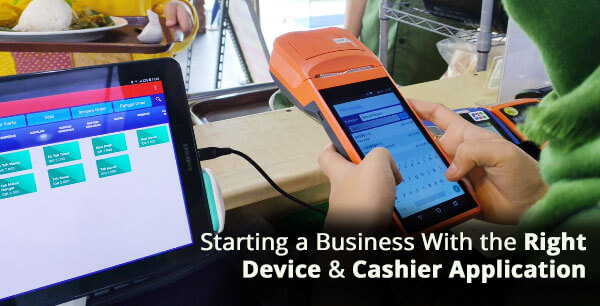
In today’s fast-paced business environment, efficiency and accuracy are essential for success. Businesses of all sizes, especially in the retail and service sectors, are constantly looking for ways to improve how they handle transactions. One of the most effective solutions is the use of cashier applications. These digital tools have transformed traditional payment systems into streamlined, automated processes that save time, reduce errors, and improve overall customer experience.
Cashier applications, often known as Point of Sale (POS) systems, are designed to simplify transaction management by integrating sales processing, inventory tracking, and reporting into a single platform. This article explains how cashier applications help streamline business transactions and why they are becoming indispensable in modern commerce.
Automating the Transaction Process
One of the primary ways cashier applications streamline business transactions is through automation. In traditional systems, cashiers manually input prices, calculate totals, and handle discounts. These steps are not only time-consuming but also prone to human error.
Cashier applications automate these tasks. When a product is scanned or selected, the system automatically retrieves its price, applies any discounts or taxes, and calculates the final total. This reduces the time required for each transaction and ensures accuracy in billing.
By eliminating manual calculations, businesses can serve customers more quickly and efficiently, especially during peak hours.
Improving Checkout Speed and Efficiency
Speed is a crucial factor in customer satisfaction. Long queues and slow checkout processes can discourage customers and negatively affect business reputation. Cashier applications help solve this problem by significantly reducing transaction time.
With features like barcode scanning and pre-programmed product databases, cashiers can process items in seconds. This streamlined workflow allows businesses to handle a higher volume of customers without increasing staff workload.
Faster checkout processes also mean improved employee productivity, as cashiers can focus more on customer service rather than repetitive manual tasks.
Enhancing Accuracy in Transactions
Accuracy is another major benefit of cashier applications. Manual systems often lead to errors such as incorrect pricing, wrong change, or misapplied discounts. These mistakes can result in financial losses and customer dissatisfaction.
Cashier applications minimize these risks by standardizing transaction processes. Prices are stored in a centralized system, ensuring consistency across all sales. Discounts, promotions, and taxes are automatically applied based on predefined rules.
This level of accuracy not only improves financial management but also builds customer trust in the business.
Integrating Inventory Management
A significant advantage of cashier applications is their ability to integrate with inventory management systems. Every time a transaction occurs, the system automatically updates stock levels in real time.
This integration eliminates the need for manual stock tracking, which is often inaccurate and time-consuming. Businesses can easily monitor inventory levels, identify fast-selling products, and avoid stock shortages or overstock situations.
By maintaining accurate inventory data, businesses can make better purchasing decisions and improve overall operational efficiency.
Supporting Multiple Payment Methods
Modern consumers expect flexibility when it comes to payment options. Cashier applications support a wide range of payment methods, including cash, debit cards, credit cards, mobile wallets, and QR-based payments.
This flexibility makes transactions smoother and more convenient for customers. It also reduces delays at the checkout counter, as cashiers do not need to manually process different payment types.
Supporting multiple payment methods also helps businesses attract a broader customer base and stay competitive in an increasingly digital marketplace.
Reducing Human Error
Human error is one of the most common challenges in traditional cashier systems. Mistakes in data entry, miscalculations, and forgotten discounts can all lead to inaccurate transactions.
Cashier applications significantly reduce these errors by automating key processes. Since the system handles calculations and data retrieval, the risk of manual mistakes is minimized.
This improvement in accuracy leads to more reliable financial records and fewer disputes with customers.
Improving Data Collection and Reporting
Cashier applications do more than just process transactions. They also collect valuable data that businesses can use for analysis and decision-making.
Sales reports, customer behavior trends, and product performance data are automatically generated by the system. This information helps business owners understand their operations better and identify areas for improvement.
For example, businesses can analyze peak sales periods, track best-selling products, and adjust marketing strategies accordingly. This data-driven approach leads to smarter business decisions and improved profitability.
Enhancing Employee Productivity
Cashier applications also play an important role in improving employee productivity. With automated systems handling most of the repetitive tasks, cashiers can focus on providing better customer service.
The user-friendly interface of modern cashier applications makes it easier for employees to learn and operate the system. This reduces training time and improves overall efficiency.
In addition, employee performance can be monitored through the system, helping businesses identify top performers and areas where additional training is needed.
Strengthening Security and Fraud Prevention
Security is a critical aspect of business transactions. Traditional systems are more vulnerable to theft, data manipulation, and human interference.
Cashier applications enhance security by tracking every transaction and user activity. Each employee typically has a unique login, allowing businesses to monitor who performed each transaction and when.
Digital payment processing also includes encryption and secure gateways, protecting sensitive customer data from unauthorized access.
Supporting Business Scalability
As businesses grow, managing transactions becomes more complex. Cashier applications are designed to scale with business needs, making them suitable for small shops as well as large retail chains.
Cloud-based systems allow businesses to manage multiple locations from a single platform. This ensures consistency in pricing, inventory, and reporting across all branches.
Scalability ensures that businesses can expand without losing control over their operations.
Conclusion
Cashier applications have revolutionized the way businesses handle transactions. By automating processes, improving accuracy, integrating inventory systems, and supporting multiple payment methods, they significantly streamline business operations.
These systems not only enhance efficiency but also improve customer satisfaction and provide valuable business insights. In a competitive market, adopting cashier applications is no longer just an option—it is a necessity for businesses that want to remain efficient, accurate, and competitive.
As technology continues to evolve, cashier applications will play an even greater role in shaping the future of business transactions.