n
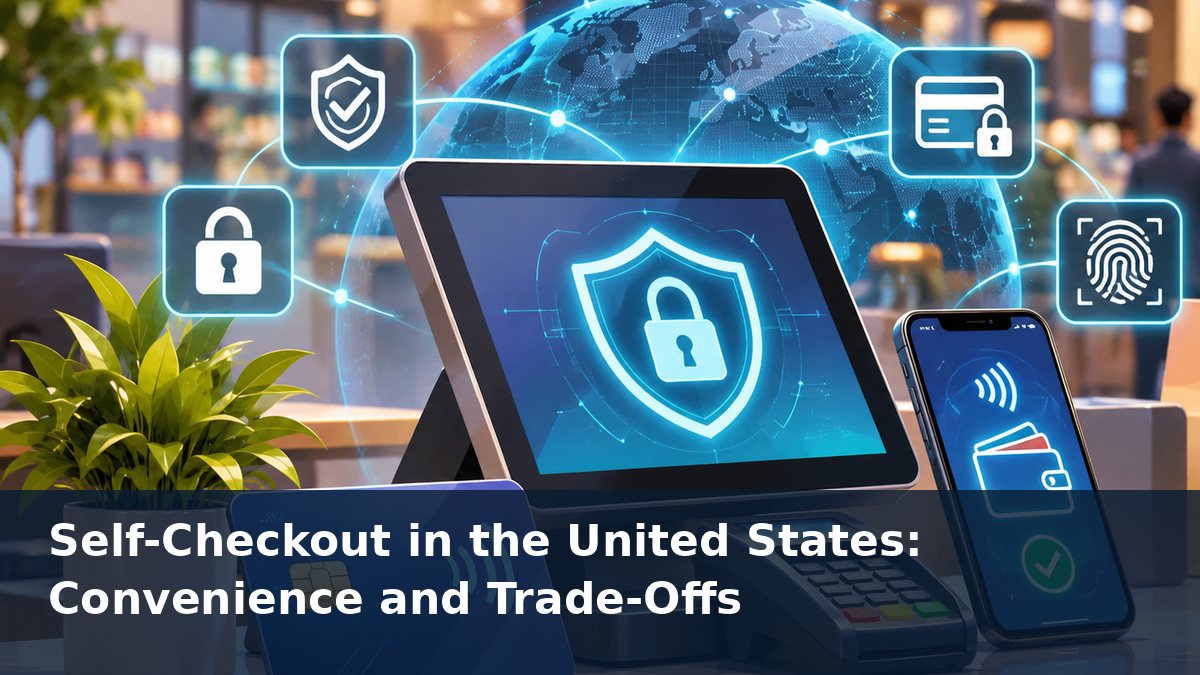
Self-checkout lets customers scan and pay for their own purchases, often with a staff member supervising several stations. It can be convenient for small baskets, but the result depends on store layout, item mix, customer familiarity, and how quickly employees can resolve alerts.
The hidden operational work
Age-restricted items, unrecognized barcodes, produce lookup, coupons, and payment exceptions all require attention. Retailers must also think about shrink, accessibility, and whether customers feel supported rather than monitored. Removing a staffed lane does not remove the need for service.
A balanced operating model
Stores can evaluate wait time, intervention rate, customer satisfaction, and loss together instead of focusing only on labor hours. Hybrid layouts with both staffed and self-service lanes often give shoppers more choice.
Practical checklist for retailers
- Map the full customer journey from scanning to receipt delivery.
- Test exceptions, refunds, and payment failures before launch.
- Train employees on privacy, accessibility, and transaction verification.
- Review performance with operational data and customer feedback.
Bottom line: Self-Checkout in the United States is best understood as part of a broader checkout experience. Technology should support accurate transactions, clear communication, and dependable service.
About the Author