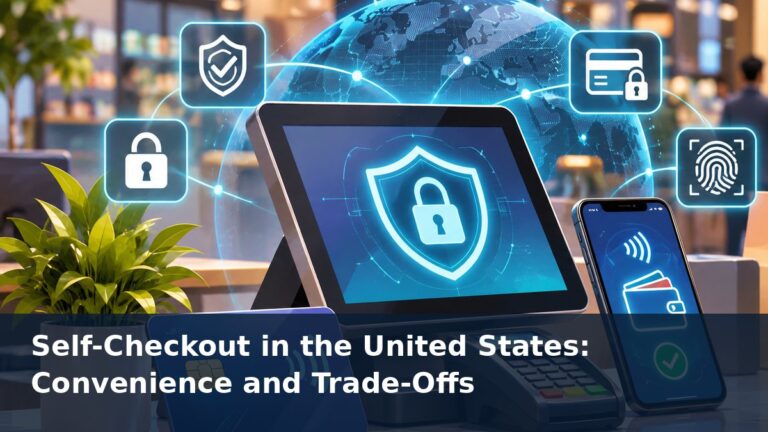

n
Across many European retail environments, contactless cards and mobile wallets are familiar ways to pay. The checkout experience depends on the card scheme, issuer, terminal configuration, and local authentication rules. A cashier may occasionally need to ask a customer to insert a card or complete additional verification.
Designing a smooth payment moment
A well-positioned terminal and a clear amount display reduce mistakes. Staff should understand declined transactions, partial approvals where supported, reversals, and refund policies. Contactless convenience should never replace careful confirmation that the terminal has actually approved the sale.
Privacy and accessibility
Payment receipts and loyalty programs should collect only necessary information. Stores should provide a usable alternative for customers who cannot tap or prefer cash, and ensure terminals are reachable and understandable to people with disabilities.
Practical checklist for retailers
- Map the full customer journey from scanning to receipt delivery.
- Test exceptions, refunds, and payment failures before launch.
- Train employees on privacy, accessibility, and transaction verification.
- Review performance with operational data and customer feedback.
Bottom line: Contactless Payments in Europe is best understood as part of a broader checkout experience. Technology should support accurate transactions, clear communication, and dependable service.
About the Author