Introduction
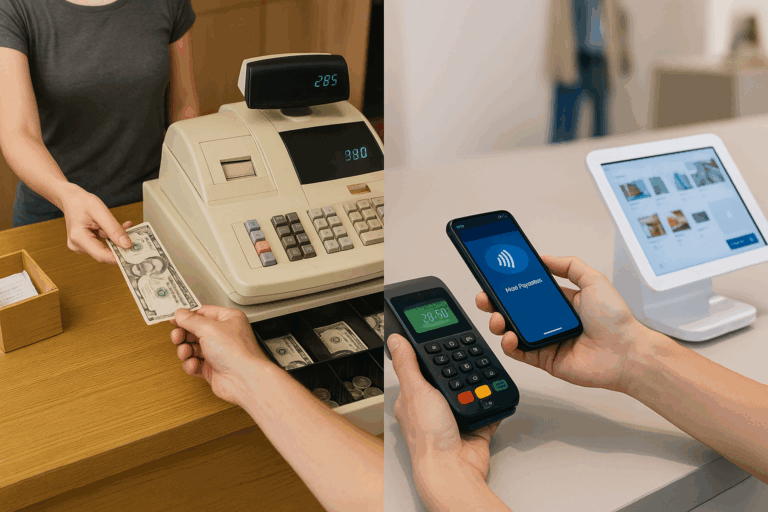
Running a successful restaurant requires much more than serving great food. Restaurant owners must manage orders, process payments, monitor inventory, schedule employees, handle online orders, and provide an excellent customer experience—all while operating in a fast-paced environment. Choosing the right Point of Sale (POS) system can make these daily operations more efficient and help businesses grow.
Among the many restaurant POS platforms available today, Toast POS has established itself as one of the leading solutions designed specifically for the food service industry. Unlike general-purpose POS systems, Toast focuses entirely on restaurants, cafés, bars, food trucks, bakeries, and other hospitality businesses.
With cloud-based technology, restaurant-specific features, and integrated payment processing, Toast POS aims to simplify operations from the front of the house to the kitchen.
In this review, we’ll explore Toast POS in detail, including its features, pricing, advantages, disadvantages, and whether it remains a smart investment for restaurant owners in 2026.
What Is Toast POS?
Toast POS is a cloud-based restaurant management platform built specifically for food service businesses. It combines point-of-sale software with restaurant management tools that help streamline daily operations.
Instead of using separate systems for payments, online ordering, employee scheduling, and reporting, Toast brings these functions together in one integrated platform.
Toast is commonly used by:
- Full-service restaurants
- Quick-service restaurants (QSR)
- Cafés
- Coffee shops
- Bars and pubs
- Bakeries
- Pizzerias
- Food trucks
- Fine dining establishments
- Multi-location restaurant chains
Because the platform is designed exclusively for restaurants, many of its features address challenges unique to food service businesses.
Key Features of Toast POS
1. Restaurant-Focused Point of Sale
Unlike general retail POS systems, Toast is built around restaurant workflows.
Servers can easily:
- Open tables
- Take customer orders
- Modify menu items
- Add special requests
- Split bills
- Combine checks
- Accept multiple payment methods
These features help improve service speed and reduce ordering mistakes.
2. Digital Ordering and Kitchen Display System
Toast supports modern restaurant operations by connecting front-of-house staff directly with the kitchen.
Orders placed at the register, online, or through handheld devices are automatically sent to the kitchen display system (KDS), reducing manual communication and improving accuracy.
Benefits include:
- Faster order processing
- Fewer kitchen errors
- Improved communication
- Better workflow during busy hours
Restaurants that experience high customer traffic can benefit significantly from this automation.
3. Online Ordering
Consumer demand for online ordering continues to grow, making digital ordering an essential feature for many restaurants.
Toast allows customers to:
- Place pickup orders
- Schedule deliveries
- Order directly from the restaurant’s website
- Browse digital menus
- Pay online securely
Having online ordering integrated into the POS system reduces the need for multiple third-party platforms and simplifies order management.
4. Menu Management
Updating restaurant menus can often be time-consuming, especially for businesses with multiple locations.
Toast simplifies menu management by allowing owners to:
- Add new menu items
- Change prices
- Create seasonal menus
- Update item availability
- Manage modifiers and extras
- Organize categories
Changes can be synchronized across locations, helping maintain consistency.
5. Employee Management
Managing restaurant staff involves scheduling, permissions, payroll support, and performance tracking.
Toast includes employee management features such as:
- Staff accounts
- Role-based permissions
- Shift management
- Time tracking
- Performance reporting
Managers can monitor labor costs while ensuring employees have appropriate access to system functions.
6. Inventory Management
Ingredient tracking is essential for controlling food costs and minimizing waste.
Toast helps restaurants monitor:
- Ingredient usage
- Inventory levels
- Low-stock alerts
- Purchase trends
- Food cost analysis
Although inventory needs vary by restaurant type, these tools help improve purchasing decisions and operational efficiency.
7. Reporting and Analytics
Toast provides detailed reporting that gives restaurant owners valuable business insights.
Reports include:
- Daily sales
- Revenue trends
- Best-selling menu items
- Peak business hours
- Employee performance
- Payment methods
- Customer ordering behavior
These analytics support data-driven decision-making and long-term business planning.
Payment Processing
Toast includes integrated payment processing, allowing restaurants to accept multiple payment methods.
Supported payment options generally include:
- Credit cards
- Debit cards
- Contactless payments
- Mobile wallets
- Gift cards
Integrated payments simplify reconciliation and reduce the need for separate payment providers.
Hardware Options
Toast offers hardware designed specifically for restaurant environments.
Available equipment may include:
- Touchscreen POS terminals
- Handheld ordering devices
- Customer-facing displays
- Receipt printers
- Kitchen printers
- Kitchen display systems
- Cash drawers
Many restaurants appreciate the durability of restaurant-grade hardware designed to withstand busy service environments.
Pricing Overview
Toast typically offers multiple pricing options to accommodate businesses of different sizes.
Overall costs may depend on factors such as:
- Software subscription level
- Number of restaurant locations
- Hardware requirements
- Additional restaurant management features
- Payment processing fees
Restaurant owners should review current pricing carefully and choose a plan that matches their operational needs and budget.
Advantages of Toast POS
Built Specifically for Restaurants
Every major feature is designed around restaurant operations rather than general retail sales.
Integrated Online Ordering
Restaurants can manage online and in-house orders from one platform.
Kitchen Display Integration
Digital communication improves kitchen efficiency and reduces errors.
Comprehensive Reporting
Detailed reports help owners monitor profitability and optimize operations.
Employee Management
Staff scheduling and performance tracking improve workforce management.
Cloud-Based Platform
Owners can monitor restaurant performance remotely.
Potential Limitations
While Toast offers many advantages, there are some considerations.
Restaurant-Focused Only
Businesses outside the food service industry will likely find other POS systems more suitable.
Subscription and Processing Costs
Advanced restaurant management features may require higher-tier plans, and payment processing fees should be considered when evaluating total costs.
Hardware Investment
Restaurants typically need specialized hardware to take full advantage of Toast’s capabilities.
Learning Curve
Because of its extensive feature set, training may be required for managers and staff.
Which Restaurants Benefit Most from Toast POS?
Toast is particularly well suited for:
Full-Service Restaurants
Table management, order customization, and bill splitting support traditional dining experiences.
Quick-Service Restaurants
Fast order processing improves service speed during busy periods.
Cafés and Coffee Shops
Mobile ordering and efficient payment processing help reduce customer wait times.
Bars and Pubs
Integrated payment management simplifies customer transactions.
Multi-Location Restaurants
Centralized reporting and menu management help maintain consistency across locations.
Toast POS vs. Other Restaurant POS Systems
| POS System | Best For | Key Strength |
|---|---|---|
| Toast POS | Restaurants | Complete restaurant management platform |
| Square for Restaurants | Small restaurants | Simple setup and affordable entry point |
| Lightspeed Restaurant | Growing restaurants | Advanced inventory and multi-location tools |
| Clover Dining | Small to medium restaurants | Flexible hardware and app integrations |
| TouchBistro | Independent restaurants | User-friendly restaurant workflows |
Each solution serves different business needs, so restaurant owners should evaluate features based on their operational requirements.
Security Features
Restaurant businesses process hundreds or even thousands of payment transactions each week, making payment security essential.
Toast includes security features designed to help protect customer and business data, including encrypted payment processing and support for industry-standard security practices.
Restaurant owners should also:
- Keep software updated
- Use strong account passwords
- Assign employee permissions carefully
- Review transaction activity regularly
Good security practices help reduce operational risks.
Customer Support
Toast offers a variety of customer support resources, including:
- Online documentation
- Knowledge base
- Training materials
- Email support
- Phone support
- Live chat (availability may vary)
Restaurants operating during extended business hours benefit from having access to support when technical issues arise.
Pros and Cons
Pros
- Designed specifically for restaurants
- Excellent kitchen workflow management
- Integrated online ordering
- Strong reporting and analytics
- Flexible menu management
- Employee scheduling and tracking
- Cloud-based access
- Scalable for growing restaurant businesses
Cons
- Less suitable for non-restaurant businesses
- Advanced features may increase subscription costs
- Specialized hardware adds to initial investment
- Staff training may be required for full feature utilization
Is Toast POS Worth It in 2026?
For restaurants looking for an all-in-one management solution, Toast POS remains one of the strongest choices in 2026.
Its restaurant-specific tools help simplify daily operations, improve order accuracy, enhance customer service, and provide valuable business insights. Whether operating a neighborhood café or a multi-location restaurant chain, businesses can benefit from Toast’s integrated approach to restaurant management.
Although the overall investment may be higher than some entry-level POS systems, many restaurant owners find the operational efficiency and specialized features well worth the cost.
Final Verdict
Toast POS continues to be one of the most comprehensive restaurant point-of-sale solutions available today. Its combination of payment processing, kitchen management, online ordering, employee administration, inventory tracking, and reporting makes it a valuable platform for modern food businesses.
While no POS system is perfect for every restaurant, Toast stands out because it was built specifically for the unique demands of the hospitality industry. Businesses seeking a scalable, cloud-based solution that supports both front-of-house and back-of-house operations will likely find Toast POS to be an excellent long-term investment.
For restaurants aiming to improve efficiency, streamline operations, and deliver a better customer experience, Toast POS remains one of the top restaurant management platforms to consider in 2026.