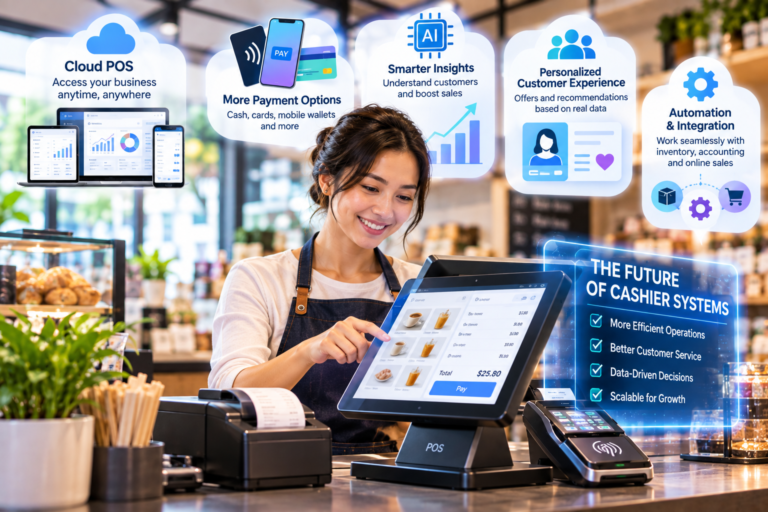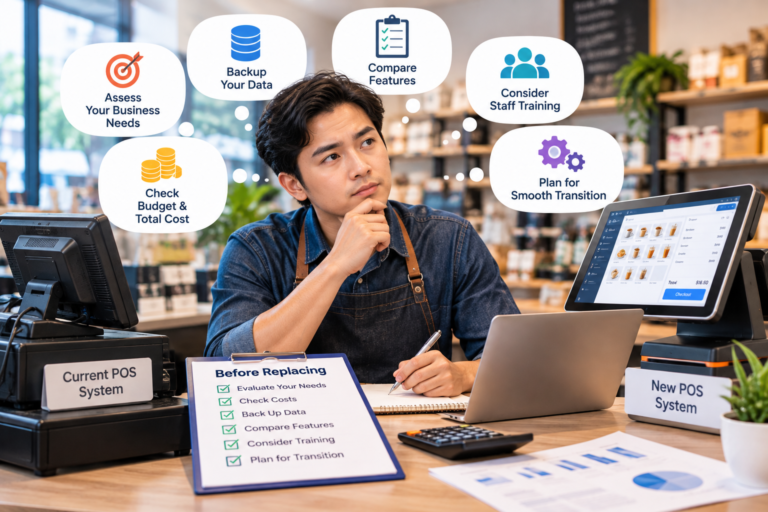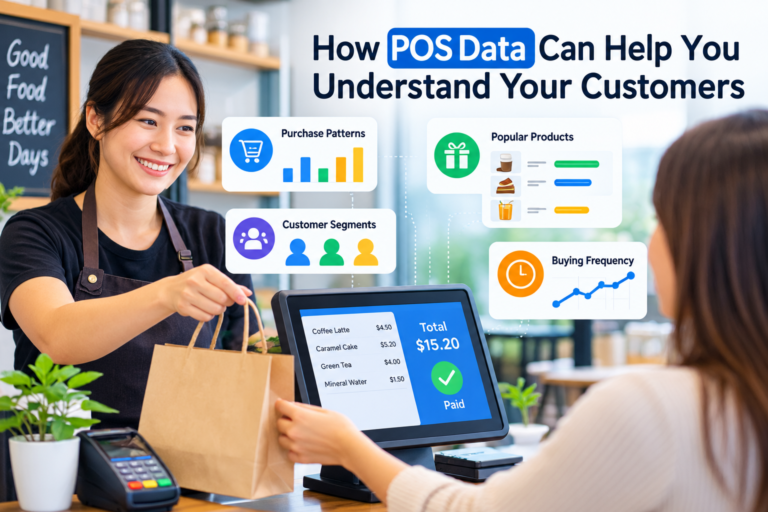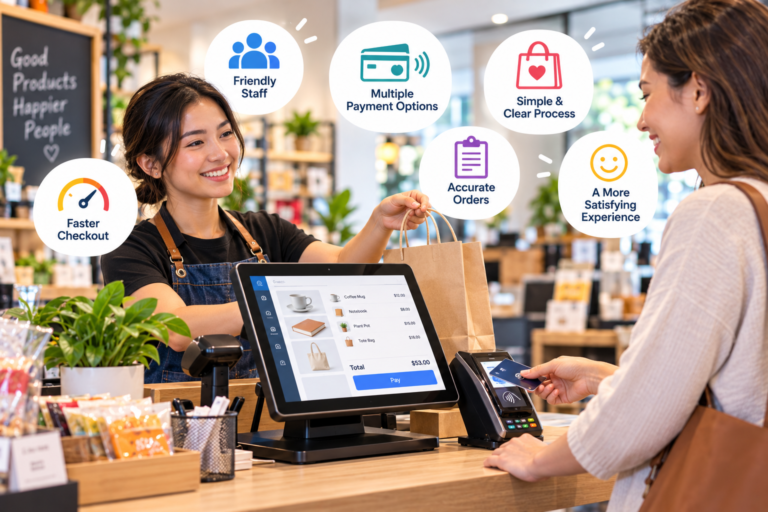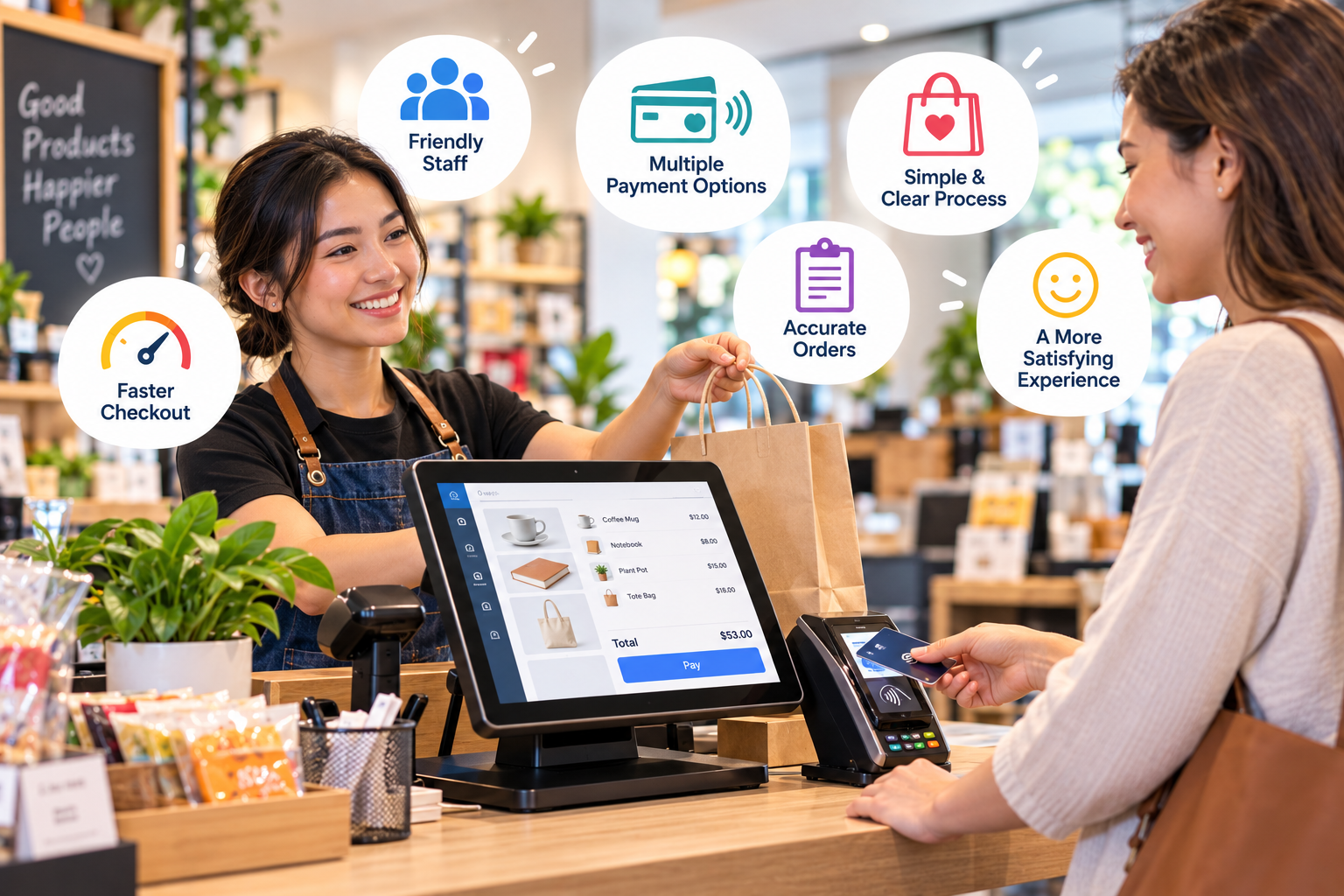
Checkout is often the final interaction a customer has with a store.
That makes it surprisingly important.
A beautiful store can still leave a poor impression if payment takes forever.
Remove Unnecessary Steps
Customers should not have to answer a long sequence of questions just to buy one item.
Loyalty programs, digital receipts, donations, and other prompts can be useful, but too many prompts can make checkout feel exhausting.
Keep the Counter Organized
A cluttered counter slows employees and creates confusion.
Scanners, payment terminals, bags, receipt printers, and frequently used supplies should have logical locations.
Train for Problems
The true test of checkout is not when everything works.
It is when a barcode fails, a payment is declined, a customer changes their mind, or the receipt printer runs out of paper.
Employees who know how to handle these situations calmly can keep the line moving.
Good checkout is not simply fast. It is clear, accurate, and comfortable.
About the Author